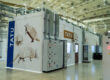
Estande na ExpoT&C apresentou infraestruturas científicas, pesquisas em saúde e sustentabilidade, atividades interativas e oportunidades de formação; instituição também participou de debates sobre inovação, educação científica e microplásticos
Tecnologias voltadas à saúde e à sustentabilidade, maquetes de grandes infraestruturas científicas e tatuagens temporárias inspiradas nas vestimentas de biossegurança utilizadas em laboratórios estiveram entre as experiências oferecidas pelo Centro Nacional de Pesquisa em Energia e Materiais (CNPEM) ao público da 78ª Reunião Anual da Sociedade Brasileira para o Progresso da Ciência (SBPC).

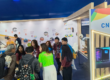
Estande do CNPEM no evento
Realizado entre 26 de julho e 1º de agosto, no campus Gragoatá da Universidade Federal Fluminense (UFF), em Niterói (RJ), o evento teve como tema “Ciência para todos: soberania, desenvolvimento e inclusão”. O CNPEM participou da ExpoT&C, mostra de ciência, tecnologia e inovação que integrou a programação da Reunião Anual e reuniu as unidades de pesquisa do Ministério de Ciência, Tecnologia e Inovação (MCTI), universidades, fundações de apoio e outras instituições.

Representante do CNPEM explica o funcionamento do Sirius para participante da feira
No espaço do CNPEM, visitantes de diferentes idades puderam conhecer, por meio de maquetes, duas das principais infraestruturas científicas da instituição: o Sirius, maior equipamento científico já construído no País, e o Orion, complexo laboratorial atualmente em construção que será o único laboratório de máxima contenção biológica (NB-4) da América Latina, e o primeiro do mundo conectado a linhas de luz síncrotron. Uma nova maquete do Orion ajudou o público a conhecer as características de funcionamento e dimensões da futura infraestrutura.
A apresentação do Orion também contou com uma atividade interativa de aplicação de tatuagens temporárias inspiradas nas vestimentas utilizadas em laboratórios com níveis de biossegurança NB-2, NB-3 e NB-4. De forma lúdica, a ação despertou a curiosidade dos visitantes e abriu espaço para explicar as diferenças entre esses ambientes e as medidas de proteção adotadas em cada um deles.
O estande também apresentou a Ilum Escola de Ciência, faculdade do CNPEM que oferece gratuitamente o bacharelado interdisciplinar em Ciência e Tecnologia. O público pôde conhecer a proposta pedagógica da instituição, baseada no aprendizado prático e na integração entre diferentes áreas do conhecimento desde o início da graduação.
Soluções para saúde e sustentabilidade
Os visitantes puderam conhecer iniciativas associadas ao Programa Nacional de Inovação Radical em Saúde (PNIRS), iniciativa do Ministério da Saúde que tem o CNPEM como primeiro centro-âncora. Foram apresentados um biossensor para auxiliar na detecção de metástases de câncer de boca e garganta; uma maquete do acelerador de prótons que está sendo desenvolvido pelo CNPEM, com tecnologia brasileira, para a produção de radioisótopos; e projetos de descoberta de fármacos a partir de moléculas da biodiversidade brasileira.

Os visitantes também conheceram o OpEn, coquetel enzimático brasileiro desenvolvido pelo CNPEM para aumentar a eficiência das biorrefinarias nacionais. Produzida a partir de subprodutos da indústria sucroenergética, a tecnologia contribui para ampliar a produção de etanol a partir de biomassas residuais, com baixo custo de produção e menor emissão de gases de efeito estufa em comparação com soluções comerciais importadas. Customizável, o OpEn também apresenta potencial para aplicações em diferentes cadeias produtivas.
O conjunto de demonstrações permitiu mostrar como conhecimentos produzidos em áreas como física, biologia, química, engenharia e nanotecnologia podem ser articulados para desenvolver soluções voltadas à saúde, à transição energética e ao aproveitamento sustentável da biodiversidade e da biomassa brasileiras.
Além de conhecer projetos em andamento, o público foi convidado a contribuir com reflexões sobre o futuro. Em uma urna instalada no estande, os visitantes registraram o que esperam da ciência para a saúde nos próximos 20 anos. As mensagens reuniram expectativas, preocupações e desejos de pessoas de diferentes idades, reforçando a importância do diálogo entre instituições científicas e sociedade na definição dos desafios que deverão orientar a pesquisa nas próximas décadas.
Participação nos debates sobre inovação em saúde
Além das atividades realizadas no estande, o CNPEM participou da mesa-redonda “Pesquisa e inovação em saúde no Brasil”, integrante da programação científica da SBPC. A discussão foi coordenada pela secretária de Ciência, Tecnologia e Inovação em Saúde do Ministério da Saúde, Fernanda De Negri, e contou com a participação da diretora do Laboratório Nacional de Biociências (LNBio), Maria Augusta Arruda.
Na abertura da mesa, Fernanda apresentou iniciativas conduzidas pelo Ministério da Saúde para fortalecer a pesquisa e a inovação no País. Entre elas, abordou o PNIRS, que tem o CNPEM como primeiro centro-âncora.

Participantes de mesa discussão sobre Inovação na Saúde
“A ideia do Programa é acelerar a translação entre o conhecimento científico e a inovação para o paciente. Temos muita ciência na área da saúde que pode nos ajudar a fazer mais inovação, mas ainda existe uma lacuna no caminho para fazer com que essa ciência se transforme em inovação”, explicou Fernanda.
Segundo a secretária, o Programa atuará em duas frentes: a prestação de serviços tecnológicos ao setor produtivo e a execução de projetos de pesquisa e desenvolvimento em parceria com instituições científicas e tecnológicas. Como primeiro centro-âncora, o CNPEM deverá oferecer infraestrutura, equipamentos e equipes especializadas para apoiar projetos em diferentes etapas de maturidade tecnológica.
Em sua apresentação, Maria Augusta abordou as competências e infraestruturas científicas do CNPEM e detalhou a atuação prevista para o primeiro centro-âncora do PNIRS. A iniciativa deverá reunir projetos de pesquisa e inovação, serviços tecnológicos e capacitação, além de promover a articulação entre instituições científicas e tecnológicas, empresas, startups e outros integrantes do ecossistema de inovação em saúde.
“Para acelerar a maturidade tecnológica dos projetos que já existem no Brasil e a inovação, precisamos de uma estrutura dedicada, que também seja flexível e qualificada para atender a demandas de alta complexidade”, afirmou Maria Augusta.
Segundo Maria Augusta, a estrutura do centro-âncora deverá ajudar tecnologias promissoras a avançar pelas etapas mais críticas de desenvolvimento. “O que tentamos com esse Programa é transformar os vales da morte em vales de oportunidade. Acreditamos que uma infraestrutura como essa ajudará a transpor essas etapas e a dar mais agilidade e impacto ao processo de inovação, trabalhando em conjunto com a comunidade”, destacou.
Educação científica e desafios ambientais
A programação científica também contou com a participação de representantes da Ilum Escola de Ciência e do Laboratório Nacional de Luz Síncroton (LNLS), ambas unidades do CNPEM.
Nelson Studart, coordenador acadêmico e professor da Ilum – Escola de Ciência do CNPEM, participou da mesa-redonda “Divulgação científica como ferramenta estratégica na formação de professores de ciências”. O debate abordou a importância de aproximar professores da produção científica contemporânea e de fortalecer práticas de divulgação capazes de tornar o conhecimento mais acessível e conectado à realidade dos estudantes. O professor aproveitou a ocasião para apresentar as atividades do CNPEM e da Ilum, tais como o Ciência Aberta, Ilum de Portas Abertas e as Oficinas do Conhecimento, assim como a proposta da Escola Sirius para Professores do Ensino Médio.
Já Ohanna Maria Menezes Madeiro da Costa, pesquisadora do LNLS, integrou a mesa “Microplásticos: impactos ambientais e desafios científicos”. A discussão abordou a presença desses materiais no ambiente, seus impactos e os desafios científicos relacionados à sua identificação e caracterização.
A próxima Reunião Anual da SBPC será realizada em 2027, na Universidade Federal da Paraíba (UFPB), em João Pessoa (PB). A 79ª edição marcará a primeira vez em que a instituição receberá o encontro, que reúne anualmente pesquisadores, estudantes, professores, gestores e representantes de instituições científicas de diferentes regiões do País.
Sobre o CNPEM
O Centro Nacional de Pesquisa em Energia e Materiais (CNPEM) abriga um ambiente científico de fronteira, multiusuário e multidisciplinar, com ações em diferentes frentes do Sistema Nacional de CT&I. Organização Social supervisionada pelo Ministério da Ciência, Tecnologia e Inovação (MCTI), com interveniência do Ministério da Educação e do Ministério da Saúde, o CNPEM é impulsionado por pesquisas que impactam as áreas de saúde, energia, materiais renováveis e sustentabilidade. Responsável pelo Sirius, maior equipamento científico já construído no País. O CNPEM hoje desenvolve o projeto Orion, complexo laboratorial para pesquisas avançadas em patógenos. Equipes altamente especializadas em ciência e engenharia, infraestruturas sofisticadas abertas à comunidade científica, linhas estratégicas de investigação, projetos inovadores com o setor produtivo e formação de pesquisadores e estudantes compõem os pilares da atuação deste centro único no País, capaz de atuar como ponte entre conhecimento e inovação. As atividades de pesquisa e desenvolvimento do CNPEM são realizadas por seus Laboratórios Nacionais de: Luz Síncrotron (LNLS), Biociências (LNBio), Nanotecnologia (LNNano) e Biorrenováveis (LNBR), além de sua unidade de Tecnologia (DAT) e da Ilum Escola de Ciência, curso de bacharelado em Ciência e Tecnologia.